

That vinyl printed design on your kitchen mat is hiding something.
WellnessMats are one piece, the color IS the mat, not a glued on layer.
Other mats come printed with herbs, chevrons, and seasonal motifs. We make ours in eleven timeless colorways and stop there. It's not a creative limitation — it's a 20-year commitment.
Walk down the kitchen mat aisle — physical or digital — and you'll find an extraordinary range of surface designs. Lemons. Roosters. Watercolor herbs. Buffalo check. Farmhouse script. Seasonal collections that swap out four times a year. The visual variety is genuine and sometimes genuinely beautiful.
The Science of Why Printed Mats Don't Last
Most decorative kitchen mats are built in layers. There's a base — foam or rubber — and a surface film on top. That film is where the color, the print, and the texture live. It's bonded to the base using adhesive or heat pressing, and it's typically a form of PVC or vinyl.
This construction has a fundamental physics problem. Every time you step on the mat, the surface film and the foam base compress and rebound at slightly different rates. The film is stiffer. The foam is more elastic. Over hundreds of compression cycles — which happen in days in a busy kitchen — that differential flex stresses the bond between them. It starts failing at the edges, where mechanical stress concentrates. The print lifts. The film bubbles. The pattern that made the mat appealing in the store starts to look degraded on your floor.
Vinyl-over-foam construction
Decorative film bonded to foam core. Different compression rates cause bond failure within months. Print lifts at edges first, spreads inward. Cannot be repaired.
WellnessMats APT construction
Single continuous polyurethane pour. Color and texture are integral to the material — not applied on top. Nothing to peel. Nothing to separate. No bond to fail.
Add heat, cleaning chemicals, and moisture — the normal conditions of a kitchen floor — and the timeline accelerates further. Grease cleaners and floor soaps that are perfectly safe for your tiles are actively hostile to vinyl adhesive bonds. Most printed mats in a working kitchen look noticeably worse after six months of honest use.
Our Color Is Not on the Mat. It Is the Mat.
WellnessMats are injected molded as a single continuous piece of 100% polyurethane. There is no top layer. There is no film. There is no bond that can fail because there is nothing bonded. When we say a mat is Black or Gray or Brown we mean the polyurethane itself is that color — pigmented throughout the product, not printed onto the surface.
This is why a scuff on a WellnessMat looks different from a scuff on a printed mat. On a printed mat, a scuff reveals what's underneath — a lighter, different material. On a WellnessMat, a scuff reveals more of the same material. The color goes all the way through.
Surface textures work the same way. The Linen pattern isn't a film pressed onto a flat mat. It's a mold-formed texture — the shape is in the polyurethane itself. It cannot peel because it was never applied.
"The mat that's on your floor on day one should look essentially the same on year five. That's not an aspiration — it's a material property."
Twenty Years Is a Long Time to Live With a Trend
Here's the design argument, separate from the chemistry.
We back every WellnessMat with a 20-year manufacturer's warranty. That's not a marketing figure — it reflects the actual durability of the material under normal home use. The mat you put in front of your kitchen sink today will, in all likelihood, still be there when your children are old enough to complain about it.
With that in mind, consider what it means to choose a mat with a lemon print, or a seasonal farmhouse pattern, or a trend-specific colorway. In six months, the trend moves. In a year, you're redecorating the kitchen and the mat no longer fits. In five years, the print has faded unevenly and the mat looks dated in a way that's hard to describe but impossible to ignore.
A solid Black WellnessMat does not have this problem. Neither does Linen or Granite. They are not making a statement about what's fashionable right now — they're making a statement about quality of material, confidence in longevity and timeless luxury. They work in a modern kitchen. They work in a traditional one. They'll work in whatever that kitchen becomes in ten years.
This is the same logic that governs most genuinely long-lasting home objects. Good knives. Cast iron pans. Oak tables. The things in your home that age well tend to be the ones that weren't designed around a visual moment — they were designed around enduring utility and honest materials.
What You're Actually Choosing
When you buy a printed mat, you're buying a visual effect that will degrade on a timeline measured in months. When you buy a WellnessMat, you're buying a material that will stay underfoot — quietly, stably, identically — for as long as you want it there.
We don't offer seasonal collections because the mat you buy from us shouldn't need to be replaced when the season changes. We don't offer print designs because the surface integrity of the mat matters more to us than matching a backsplash trend. We offer eleven colorways because eleven honest options, well made, is more useful than a hundred options that will disappoint you in a year.
Every WellnessMat is backed by a 20-year manufacturer's warranty against defects in materials and workmanship. Not 1 year. Not 5. Twenty — because the material earns it.
The lemons are charming. We understand the appeal. But the kitchen floor is not the place for charming. It's the place for honest materials, enduring design, and something that still looks right twenty years from now.
More WellnessMat(ters)
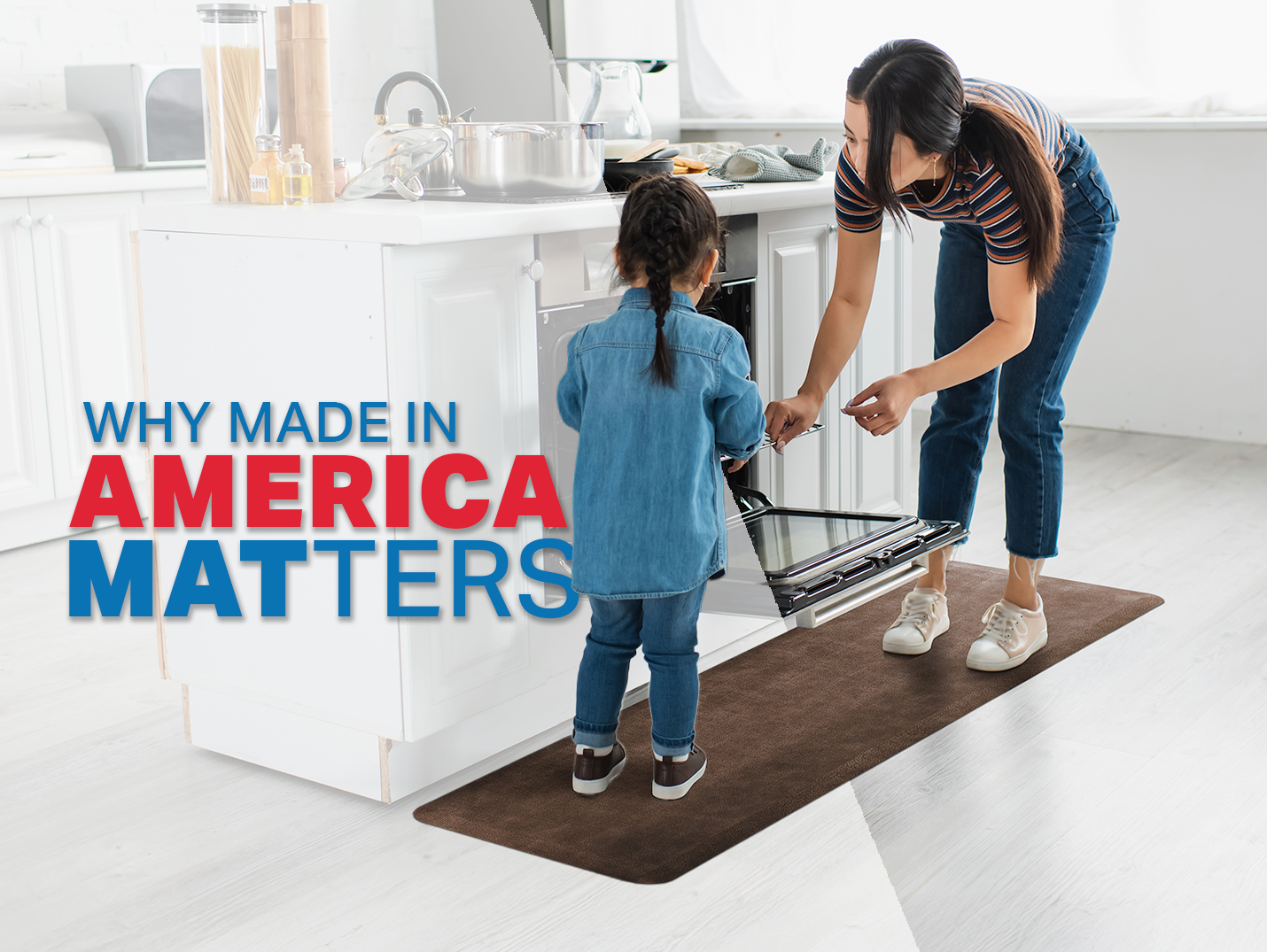
Why "Made in America" Belongs in Your Kitchen
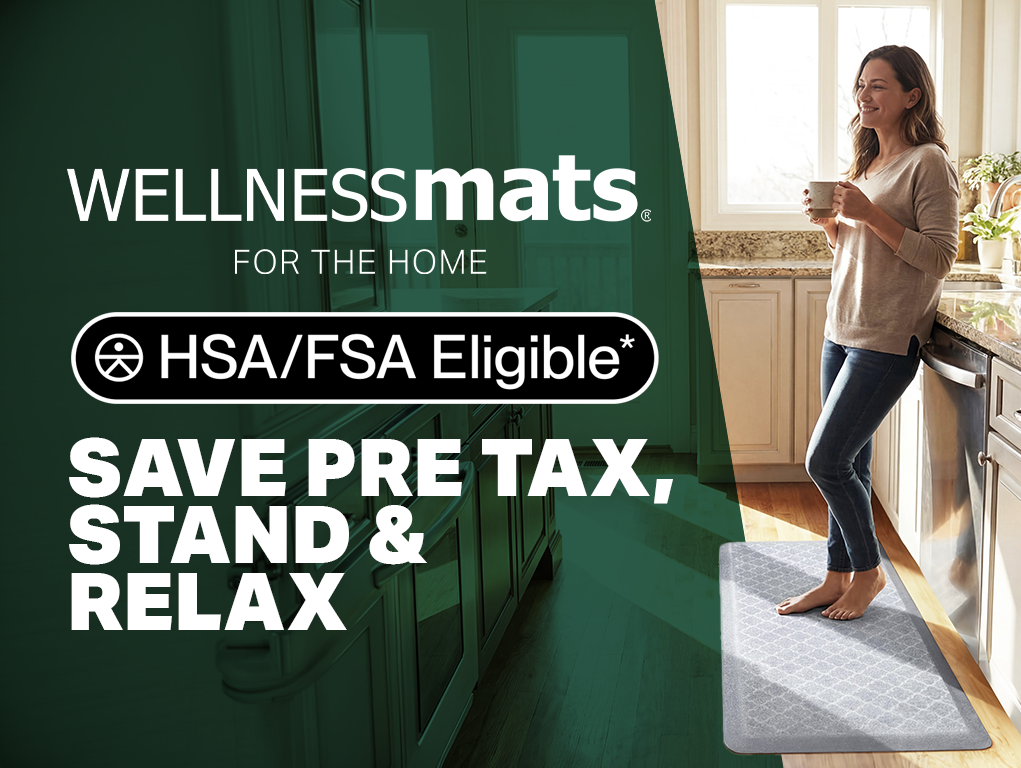
You Can Now Use your Pre Tax HSA/FSA Dollars at Checkout
WellnessMats Home anti-fatigue mats are now FSA/HSA eligible. See why they qualify, how Truemed works at checkout, and what you save with pre-tax dollars.


